How to Evaluate the Impact of Local Events on Neighborhood Cohesion
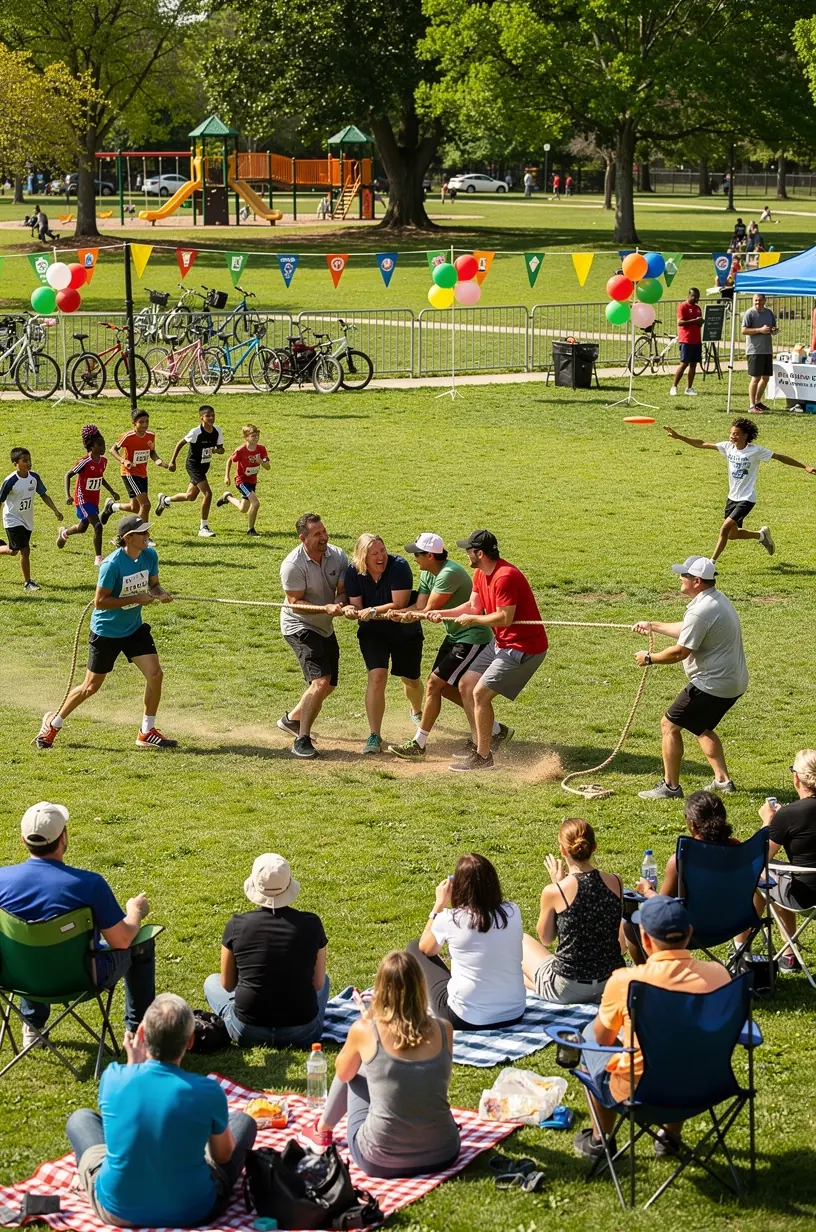
Local events play a crucial role in fostering community spirit and neighborhood cohesion. Understanding their impact can help organizers and residents alike appreciate the value these gatherings bring to their communities.
Understanding the Importance of Neighborhood Cohesion
Neighborhood cohesion refers to the social ties that bind residents of a community together. According to research conducted by the National Institute of Health, strong social networks are linked to better mental health outcomes and overall community satisfaction. This cohesion is often enhanced through local events that encourage interaction and shared experiences among residents.

"Communities with high levels of social cohesion typically report lower crime rates and increased civic participation." - Community Development Expert
Factors to Consider When Evaluating Local Events
To effectively assess the impact of local events on neighborhood cohesion, consider the following factors:
- Participation Rates: High attendance at community events often indicates engaged residents. Studies show that events attracting diverse demographics can significantly enhance social bonds.
- Feedback from Attendees: Gathering insights from participants through surveys or informal conversations can provide valuable data on how events are perceived and their effectiveness in fostering community ties.
- Frequency of Events: Regularly scheduled gatherings tend to reinforce social connections. Having a calendar of events can help residents anticipate and plan for communal activities.
Methods for Gathering Impact Data
There are several effective methods to gather data on the impact of local events:
- Surveys: Conducting pre- and post-event surveys can help gauge changes in resident attitudes towards neighborhood cohesion. Experts recommend keeping surveys brief and focused.
- Observational Studies: Observing interactions during events can provide qualitative data on social dynamics. This method allows evaluators to witness firsthand how residents engage with one another.
- Community Meetings: Hosting discussions after events can serve as a platform for residents to express their thoughts and feelings, fostering a sense of ownership and accountability in the community.
Challenges and Limitations
While evaluating the impact of local events is beneficial, it's important to acknowledge potential challenges:
- Many evaluations require time and commitment, often needing a few weeks or even months to gather meaningful data.
- Some residents may be hesitant to provide feedback, which can bias results and affect data reliability.
- Not all events will achieve the same level of engagement, and comparing disparate events can lead to skewed interpretations of their success.
Conclusion
Evaluating the impact of local events on neighborhood cohesion is a complex but rewarding endeavor. By focusing on participation rates, feedback collection, and the frequency of events, community organizers can gain valuable insights that may improve future gatherings. In many cases, fostering a sense of community through well-evaluated events can lead to increased social ties, enhancing the overall quality of life for residents.
Read On