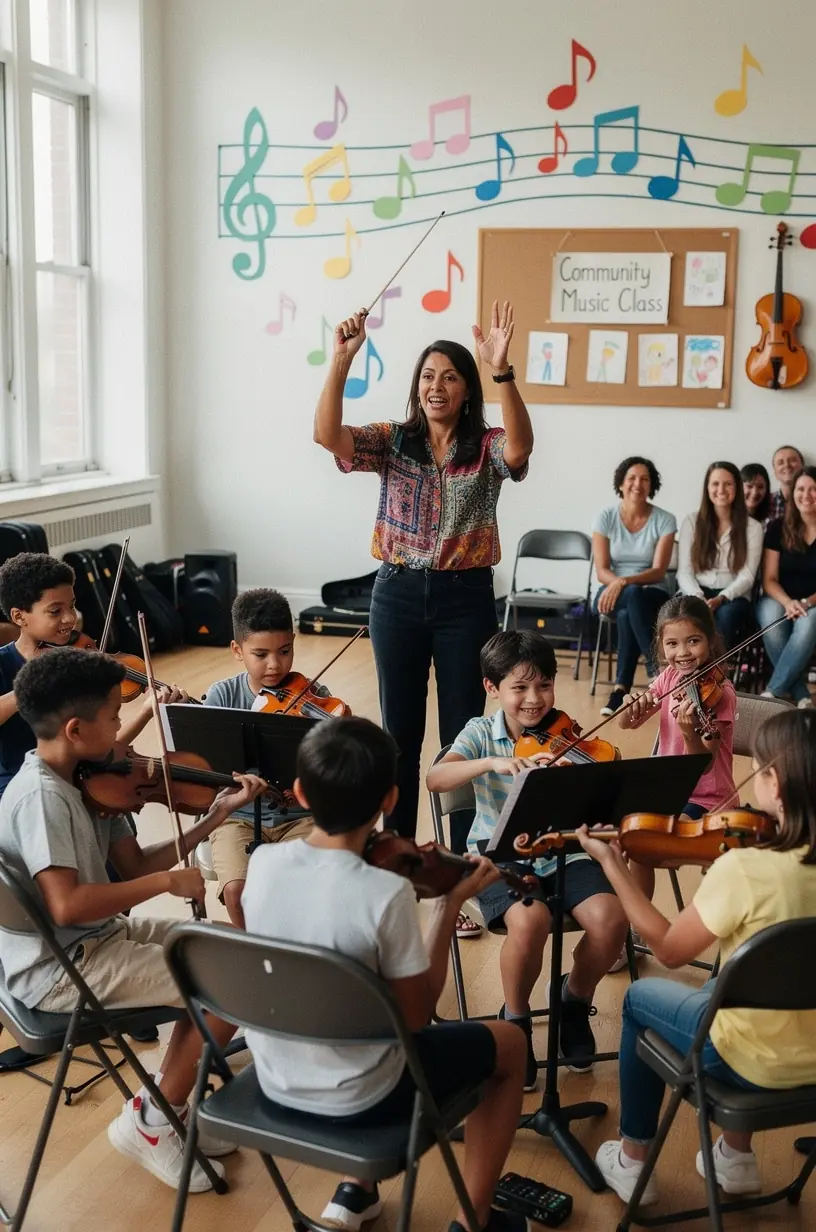
Understanding the Role of Hobby Clubs in Community Engagement
Hobby clubs serve as vital components of community engagement, providing a space for individuals to connect over shared interests. These clubs often foster social interactions and contribute to a sense of belonging within the community.
Understanding the Basics
Hobby clubs are typically organized groups that bring people together to share interests such as gardening, crafting, music, or sports. According to research by the American Community Survey, active participation in local clubs can enhance social ties, which are essential for community cohesion. Experts recommend that engaging in a hobby can not only alleviate stress but also encourage collaboration and communication among members.

"Community engagement through hobby clubs can lead to an increase in social capital, which is essential for building resilient communities." - Community Development Expert
Benefits of Participation
- Strengthened Connections: Many users report that joining hobby clubs helps them form lasting friendships and networks. This sense of connection is crucial, especially in urban areas where individuals may feel isolated.
- Skill Development: Participating in hobby clubs typically involves learning new skills or enhancing existing ones, which requires dedication and practice. For example, crafting clubs may require members to attend regular meetings to improve their techniques.
- Shared Resources: Clubs often pool resources, making activities more accessible. This model is effective because members can share tools or expertise, reducing individual costs and encouraging participation.
Practical Application
To maximize the benefits of joining a hobby club, consider the following:
- Identify Your Interests: Choose a club that aligns with your passions. This typically increases motivation and commitment to attend meetings regularly.
- Engage Actively: Participation often involves contributing to discussions or events. This engagement can develop both personal and communal skills, enhancing the experience for all members.
- Be Patient: Establishing deep connections and seeing the benefits of participation may take time. Many users find that it typically requires a few months of consistent involvement to truly feel integrated.
Conclusion
In summary, hobby clubs play a significant role in fostering community engagement by enhancing social ties, offering skill development, and providing shared resources. While the benefits may not be immediate, a commitment to active participation can lead to profound personal and communal rewards. As you consider joining a club, remember that the journey often involves time and dedication, but the potential for meaningful connections and experiences is well worth the effort.
Read On