How to Organize a Successful Music Event in Your Area
Planning a music event can be an exciting yet challenging endeavor. By following proven strategies and engaging with your community, you can create an event that resonates with local audiences and fosters a sense of togetherness.
Understanding the Basics
Organizing a successful music event requires careful planning and execution. Experts recommend starting with a clear objective, whether it’s to promote local talent, raise funds for a cause, or simply bring people together for a fun experience. Understanding your goals will help guide your decisions throughout the planning process.
"A well-defined goal is essential, as it shapes the event's direction and influences all aspects of planning."
Identify Your Audience
Knowing your target audience is crucial for tailoring your event to meet their preferences. Research shows that engaging with potential attendees early can provide valuable insights into their musical tastes and interests. Consider conducting surveys or engaging with local community groups to gather feedback.
Select a Suitable Venue
The choice of venue can significantly impact the success of your event. Industry experts suggest selecting a location that is accessible and has adequate facilities for both performers and attendees. Factors to consider include:
- Capacity: Ensure the venue can accommodate your expected audience.
- Acoustics: A venue with good sound quality enhances the audience's experience.
- Location: Choose a central spot that is easy to reach via public transportation.
Engage Local Talent
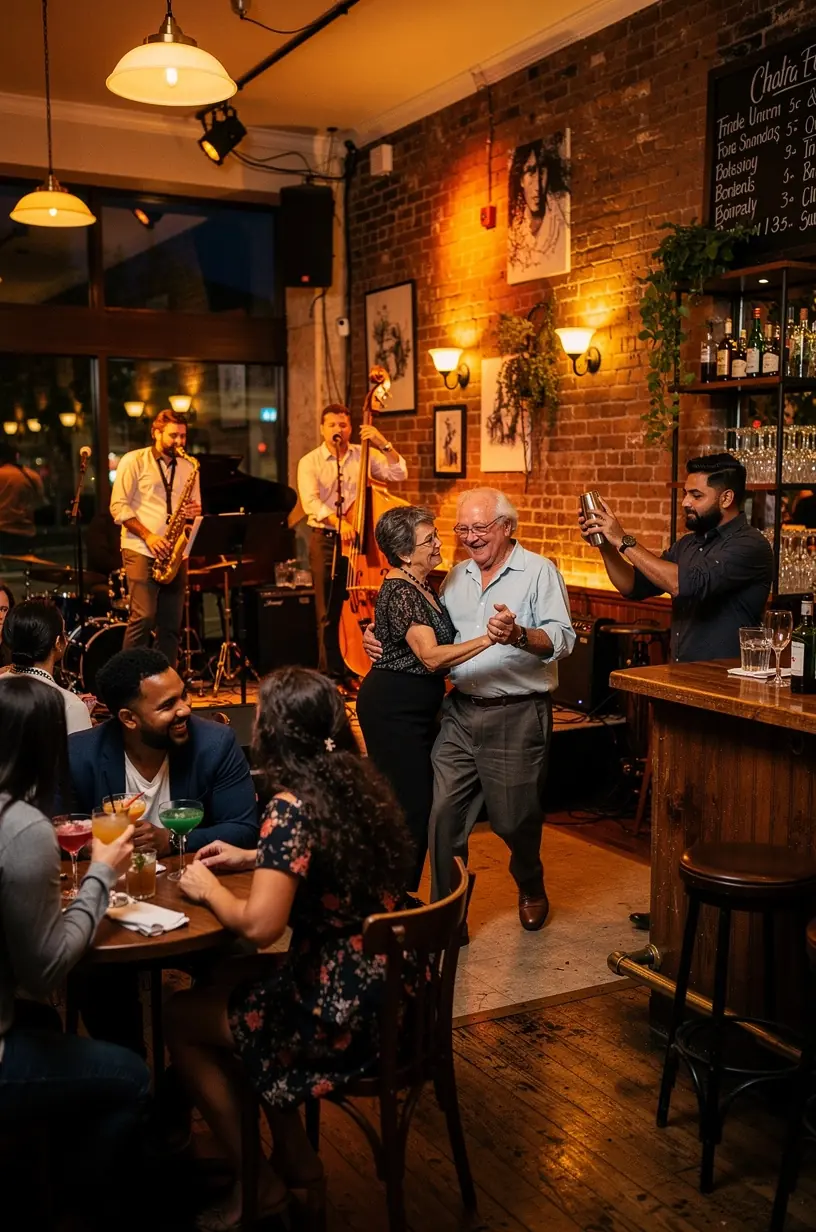
Featuring local musicians not only supports the community but can also attract their fanbases to your event. Many users report that collaborating with local artists creates a sense of ownership and pride in the event. Reach out to musicians, bands, and DJs through social media or local music networks to secure performances.
Promote Effectively
Effective promotion is vital to the success of your event. While traditional methods like flyers and posters can work, digital marketing strategies are often more effective in reaching a broader audience. Consider the following methods:
- Social Media: Utilize platforms like Facebook, Instagram, and Twitter to promote your event and engage potential attendees.
- Email Newsletters: Send updates and reminders to your mailing list to keep your audience informed.
- Collaborations: Partner with local businesses and influencers to expand your reach.
Logistics and On-Site Management
On the day of the event, ensure that every aspect runs smoothly. This typically involves:
- Setting up sound and lighting equipment a few hours before the event starts.
- Having a team in place to handle ticket sales, guest management, and any unexpected issues.
- Engaging with attendees to enhance their experience and gather feedback for future events.
Follow Up After the Event
Acknowledging the success of your event is as important as the planning process. Following up with attendees through social media or email can help maintain engagement and build a community around your events. Consider sending out surveys to gather feedback and suggestions for improvement.
Conclusion
Organizing a music event involves many moving parts, but with careful planning and community involvement, it can be a rewarding experience. By engaging local talent, understanding your audience, and promoting effectively, you can create an event that resonates within your community. Remember, the key is to remain flexible and open to feedback, as this will help improve your future events.
Read On